



auto repair insurance for high mileage vehicles: evaluating costs, coverage, and flexibility

Scope and intent

Auto repair insurance - often structured as a mechanical breakdown policy or service contract - stabilizes repair volatility after warranties end. It is not collision or liability coverage. The core promise: pay for covered mechanical or electrical failures, minus deductibles and within policy limits.

Cost versus benefit at elevated mileage

Higher mileage increases both failure likelihood and fine-print friction. Premiums can rise, exclusions expand, and claim inspections become more common. Still, one covered repair can offset months of premiums. The tradeoff hinges on your vehicle's failure profile, local labor rates, and your tolerance for out-of-pocket spikes.

Key cost drivers

  • Mileage and age: more wear, stricter underwriting, shorter terms.
  • Deductible: higher deductibles reduce premiums but raise cash at claim time.
  • Labor rate caps: a low cap shifts cost back to you in high-cost markets.
  • Coverage architecture: named-component lists vs broad exclusionary language.
  • Claim caps: per-visit, per-component, and aggregate limits reshape value.
  • Vehicle complexity: turbochargers, air suspension, ADAS, hybrids/EVs increase potential claim size.

What's commonly covered - and not

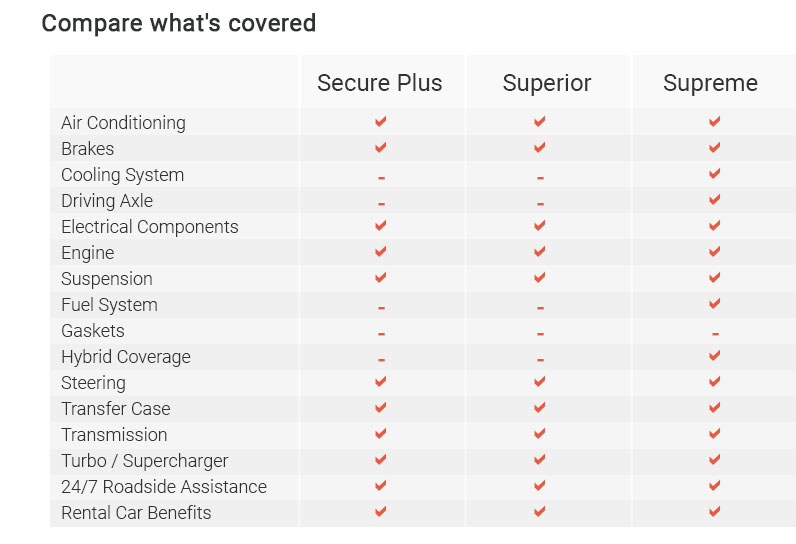
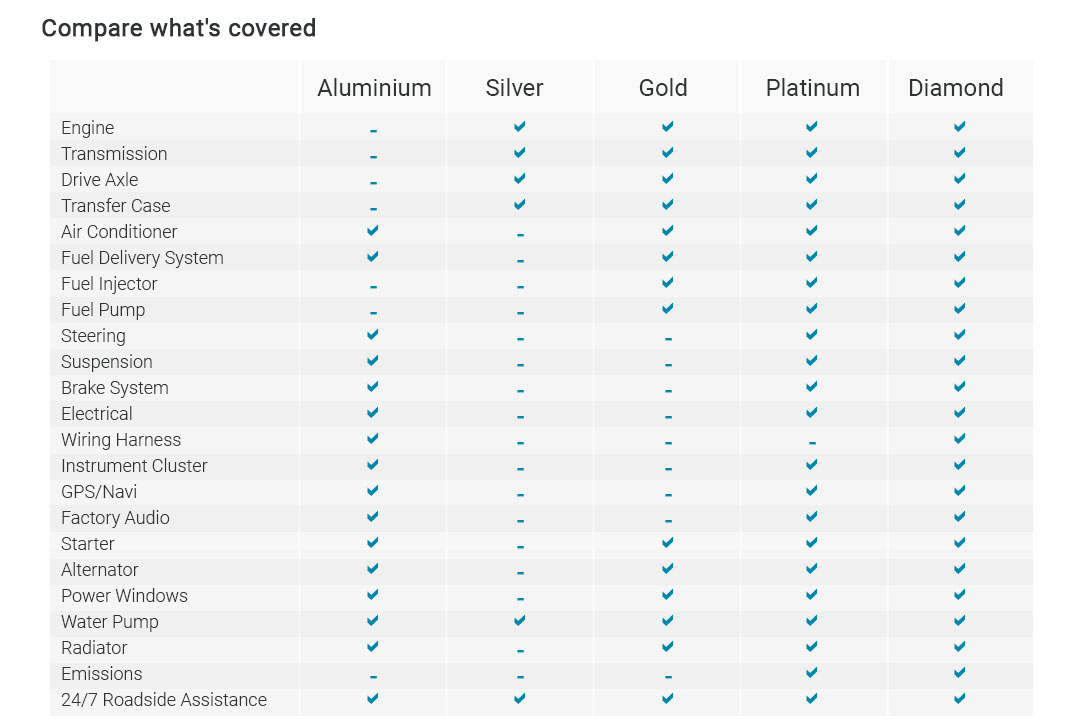
  • Covered (typical): engine internals, transmission, transfer case, differential, steering, A/C, alternator, starter, power window motors, fuel pump, sensors (policy-specific).
  • Often excluded: maintenance items, bodywork, glass, trim, emissions testing fees, alignment after wear items, pre-existing conditions.
  • Gray areas: diagnostics only if repair is approved; overheating and seal leaks; battery packs and high-voltage components on older hybrids/EVs vary by contract.

Evaluation steps that keep the math honest

  1. Baseline your risk: list upcoming age/mileage inflection points (timing components, cooling system, suspension, emissions).
  2. Price the local market: call two shops for labor rates and typical costs on your platform's big failures.
  3. Get a VIN-specific sample contract: read exclusions, labor caps, and part quality rules (OEM vs aftermarket vs reman).
  4. Run a break-even: premiums + deductible × expected claim frequency versus the median cost of one or two serious repairs.
  5. Scrutinize claim flow: pre-authorization rules, inspector timelines, payment method to shop, and rental coverage caps.
  6. Check flexibility: cancelability (pro-rata), transfer on sale, month-to-month options, and shop choice.
  7. Maintenance documentation: ensure your receipts meet interval requirements; missing proof can void coverage.

Flexibility features that matter

  • High deductible, lower premium for owners with cash buffer.
  • Powertrain-only as a budget stopgap if electronics coverage is costly.
  • Exclusionary plans for simpler claims interpretation, if pricing is reasonable.
  • Month-to-month or short terms to reassess after a season of repairs.

Real-world moment

At a neighborhood shop in Phoenix, a 168,000-mile Camry rolled in with dim lights and a no-start after fueling. The advisor called the insurer, shared voltage readings and photos, and an inspector approved an alternator and belt within hours. The owner paid a $100 deductible; rental coverage kicked in for a day, and the insurer paid the shop's card on pickup. The plan didn't cover a worn battery the tech also flagged - an expected gap - but the net bill still undercut the premium outlay by a fair margin.

Red flags to catch early

  • "Wear and tear" redefined: broad wording used to deny gradual failures.
  • Labor cap below your city's median: you pay the difference.
  • Diagnostics not covered if repair is denied: common and costly.
  • Mandatory teardown without guarantee of payment: risk shifts to you.
  • Slow authorization windows: vehicles stuck over weekends waiting for inspectors.
  • Parts rules: reman or used parts required even when OEM is available.

Alternatives worth modeling

  • Self-funded repair reserve: automate transfers equal to a "premium" into a high-yield account.
  • OEM or lender MBI: sometimes clearer claims; verify mileage acceptance.
  • Shop memberships: discounted labor and inspections, not full risk transfer.
  • Roadside-only plans: pair with a savings buffer for major failures.

Who tends to benefit

Owners of complex, aging vehicles facing high labor rates, long commutes, or thin emergency funds gain budgeting stability. Simple powertrains, DIY capability, or a healthy repair reserve tilt the equation the other way.

Claim experience: what to expect

  • Shop performs diagnosis and calls for pre-auth; photos and codes submitted.
  • Inspector may visit; decisions often land within 24 - 48 hours.
  • Approved work is paid directly; you cover the deductible and any non-covered items.
  • Rental and roadside are helpful, but daily caps and limits apply.

Quick checklist before you sign

  • Eligibility window: max mileage/age at purchase and at claim.
  • Deductible type: per visit vs per component.
  • Maximum liability: per claim and total; does it match vehicle value?
  • Maintenance proof: acceptable receipts and intervals spelled out.
  • Shop choice: any ASE shop or network only?
  • Cancellation/transfer: pro-rata refunds, fees, and buyer transfer rules.
  • Exclusions list: seals, gaskets, overheating, carbon buildup, and "pre-existing" definitions.

Bottom line, for now

For older, high-mileage vehicles, the right policy can steady cash flow and hedge against one expensive failure, provided the contract language and labor caps align with your market. A careful read, a realistic quote, and a simple break-even pass go a long way - then it's sensible to review again after your next service interval as the picture evolves.

https://www.ridesure.com/blog/can-you-get-auto-repair-insurance-for-a-high-mileage-car
When you shop for vehicle service coverage, you may come across companies that restrict access to coverage for cars that have over 100,000 miles ...

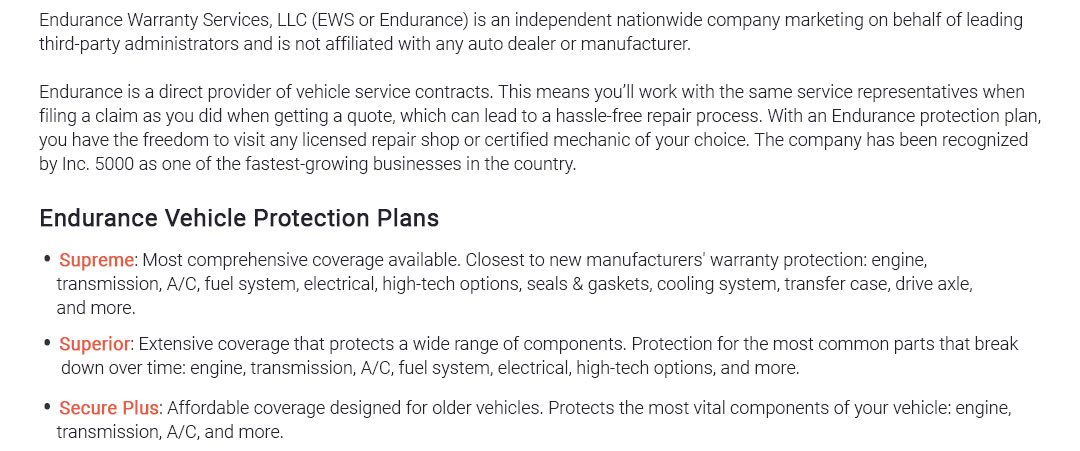
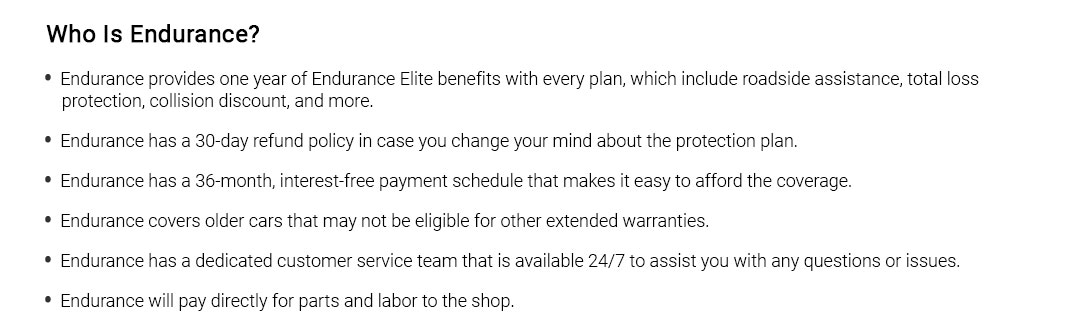
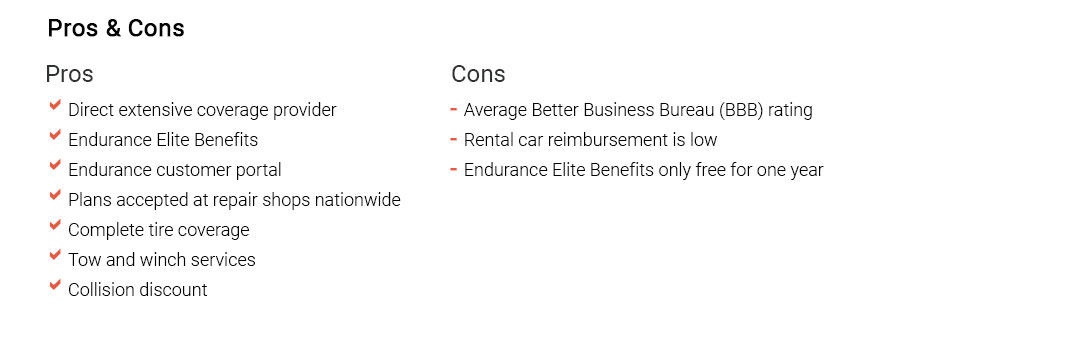
https://www.endurancewarranty.com/learning-center/mechanical-breakdown-insurance/mbi-for-high-mileage-vehicles-california/
As your car ages, protecting it is essential. Learn how mechanical breakdown insurance can cover your high-mileage vehicle and keep it ...

https://www.reddit.com/r/Autos/comments/1g3rj1q/are_there_car_warranties_for_cars_over_100000/
Extended warranty for high mileage Outback driver/other advice. 2 upvotes 5 comments. r/phoenix icon. r/phoenix. 4 mo. ago - Car Insurance ...


atwratnwm
4.9 stars -1936 reviews